Episode 7
EP7 Expanding the U.S.–India Research Corridor with Neetisha Besra
OVERVIEW
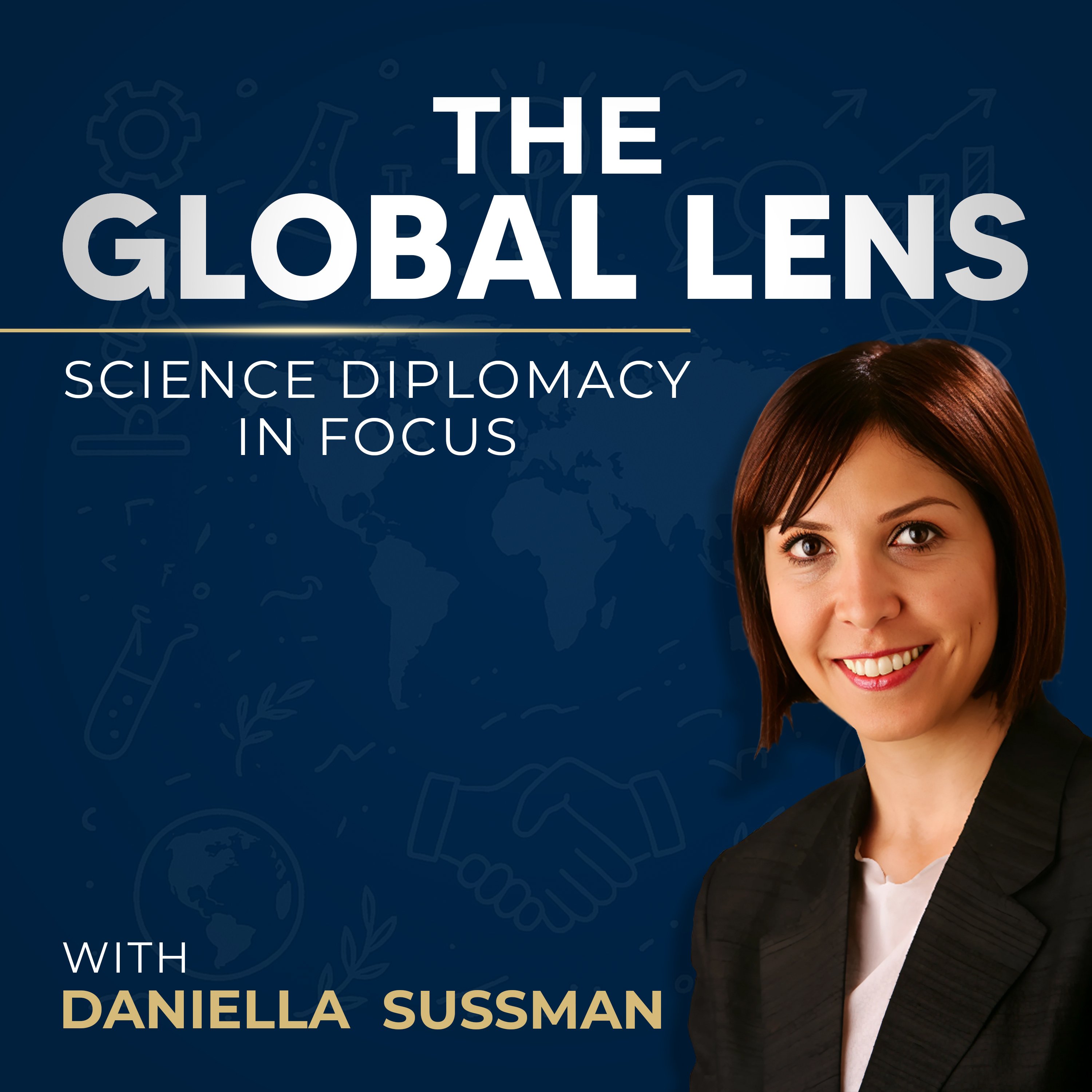
Science Diplomacy sits at the center of International Relations and US-India cooperation in this episode of The Global Lens, where host Daniella Sussman speaks with Neetisha Besra about building durable research bridges between the two countries. The conversation examines how academic institutions, policy frameworks, and people-to-people ties are shaping a deeper and more strategic U.S.–India partnership.
EPISODE SUMMARY
This episode explores how research collaboration has become a powerful diplomatic tool between the United States and India. Neetisha Besra offers insight into how universities operate as connectors across governments, disciplines, and borders. The discussion highlights the practical work behind sustaining long-term partnerships, from navigating policy environments to aligning institutional priorities. Listeners gain a grounded view of how global challenges are increasingly addressed through collaborative research ecosystems rather than bilateral politics alone.
In this episode, we discuss:
00:46 - Setting the stage for the U.S.–India research corridor
01:48 - Why 2025–2026 marks a critical window for the U.S.–India scientific partnership
07:15 - The research corridor as a living, operational ecosystem
10:05 - Institutional programs enabling sustained bilateral collaboration
13:21 - India RISE Fellowship and supporting women scientists in STEM
18:58 - Breakthrough grants and catalytic funding for high-risk research
29:29 - Measuring diplomatic impact beyond papers and patents
ABOUT THE GUEST
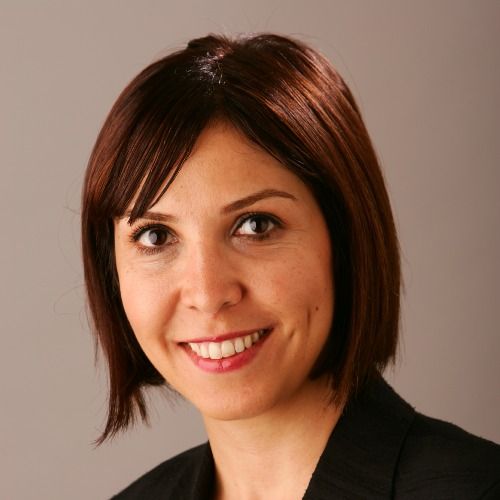
Neetisha Besra is the Director for the Gupta-Klinsky India Institute in India at Johns Hopkins University. Based in New Delhi, she leads GKII’s India strategy, partnerships, and operations to strengthen U.S.–India collaborations in research, education, and policy. She holds an MPA in International Development from Harvard Kennedy School, a Master’s in Development Practice from the Tata Institute of Social Sciences, and a Bachelor of Technology from IIT Kanpur.
MENTIONED IN THE EPISODE:
⚉ (Website) Gupta-Klinsky India Institute at Johns Hopkins University - https://indiainstitute.jhu.edu/
⚉ (Reference) Indo-U.S. Science and Technology Forum - https://iusstf.org/
⚉ (Reference) Fulbright-Nehru Scholarship Program - https://www.usief.org.in/fulbright-fellowships/fellowships-for-indian-citizen/
⚉ (Reference) The NASA-ISRO Synthetic Aperture Radar - https://science.nasa.gov/mission/nisar/
⚉ (Reference) India RISE Fellowship - https://indiainstitute.jhu.edu/our-initiatives/indiarise/
⚉ (Reference) TB Free Schools Initiative - https://indiainstitute.jhu.edu/our-initiatives/tb-free-schools-initiative/
————
This episode is brought to you by Global Signals, a curated bi-weekly paid newsletter for globally minded policymakers, international researchers, strategic industry leaders, and investors.
Subscribe here: https://tinyurl.com/Global-Lens
————
CONNECT WITH NEETISHA BESRA:
⚉ Website: https://indiainstitute.jhu.edu/directory/neetisha-besra/
⚉ LinkedIn: https://www.linkedin.com/in/neetishabesra/
⚉ X (Twitter): https://x.com/NeetishaBesra
CONNECT WITH DANIELLA:
⚉ Podcast Website: https://the-global-lens.captivate.fm/
⚉ LinkedIn: https://www.linkedin.com/in/daniellasussman/
⚉ Instagram: https://www.instagram.com/daniellasussmanglobal/